The world of digital marketing is evolving at lightning speed—and by 2026, the transformation is more profound than ever. With artificial intelligence at the center of marketing operations, consumer expectations skyrocketing, and data privacy becoming non-negotiable, digital marketing in 2026 looks drastically different from the early 2020s.
This article explores the key trends, technologies, and innovations shaping digital marketing in 2026, and the strategies businesses must adopt to stay competitive in this new era.
1. AI Takes the Driver’s Seat: Autonomous Marketing Systems
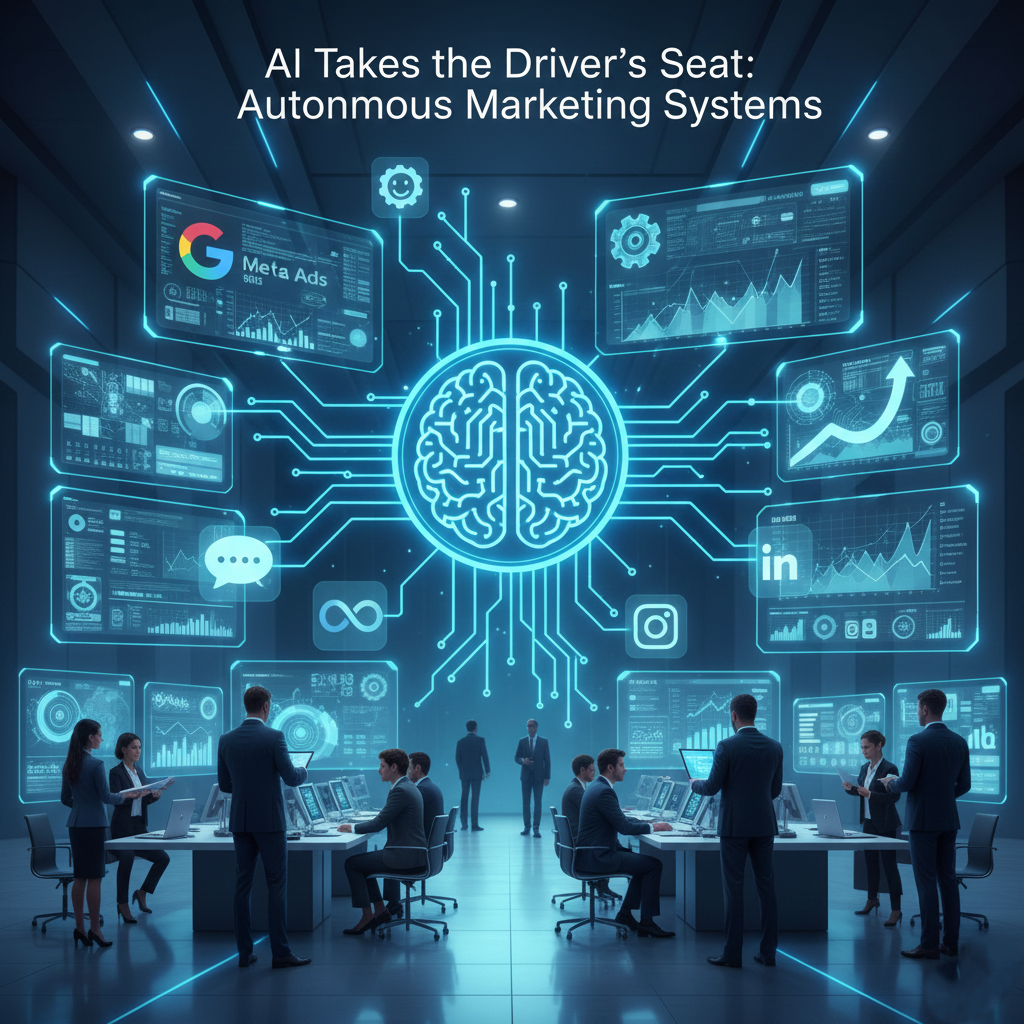
The biggest shift in 2026 is the rise of autonomous AI marketing systems that manage campaigns, analyze data, and even create content with minimal human intervention.
1.1 Autonomous Campaign Optimization
AI now:
- Sets and adjusts ad budgets
- Chooses targeting and bidding strategies
- Rotates creatives automatically
- Predicts best-performing content
- Generates detailed real-time reports
Marketing teams have moved from manual execution to supervising AI-driven systems.
1.2 Hyper-Personalized Content Creation
AI tools create:
- Customized video ads
- Personalized landing pages
- Dynamic product recommendations
- Automated high-converting email sequences
Instead of mass communication, 2026 is all about individualized messaging at scale.
1.3 Predictive Marketing Intelligence
Predictive AI helps brands anticipate:
- Buying behavior
- Market trends
- Customer needs
- Industry shifts
Marketers now make data-backed decisions faster and more accurately.
2. Search in 2026: AI Search Engines and Zero-Click Dominance
Search behaviour has undergone a revolution.
2.1 AI Assistants Are the New Search Engines
Users now ask AI assistants:
- “Find me the best laptop under ₹50,000 and order it.”
- “Create my workout plan based on last month’s activity.”
AI provides direct, context-aware answers—reducing website visits.
2.2 Conversational & Intent-Based SEO
SEO in 2026 focuses on:
- Natural language queries
- Contextual intent
- Structured data
- Authority-driven content
Ranking is no longer about keywords alone—it’s about answer accuracy.
2.3 Zero-Click Results Dominate
AI-generated answers often appear before traditional results, meaning:
- Less organic traffic
- Higher need for brand mentions
- Increased reliance on AI-friendly content
Visibility > Clicks in the 2026 SEO landscape.
3. Social Media 2026: AI-Optimized, Community-Led & Commerce-Driven
Social media platforms have become smarter and more commerce-friendly.
3.1 AI-Assisted Short Video Creation
Short video continues to rule, but AI handles:
- Storyboarding
- Editing
- Captioning
- Thumbnail selection
Even small creators produce studio-quality content.
3.2 Social Commerce Becomes Mainstream
Every platform supports:
- One-click shopping
- In-video product tags
- Personalized recommendations
- AR try-on tools
Social media has become a complete sales engine.
3.3 Community > Followers
Brands focus on:
- Private groups
- Loyalty communities
- Niche tribes
Engagement has replaced vanity metrics as the ultimate measure of influence.
4. AR, VR & Metaverse: The New Digital Experience Layer
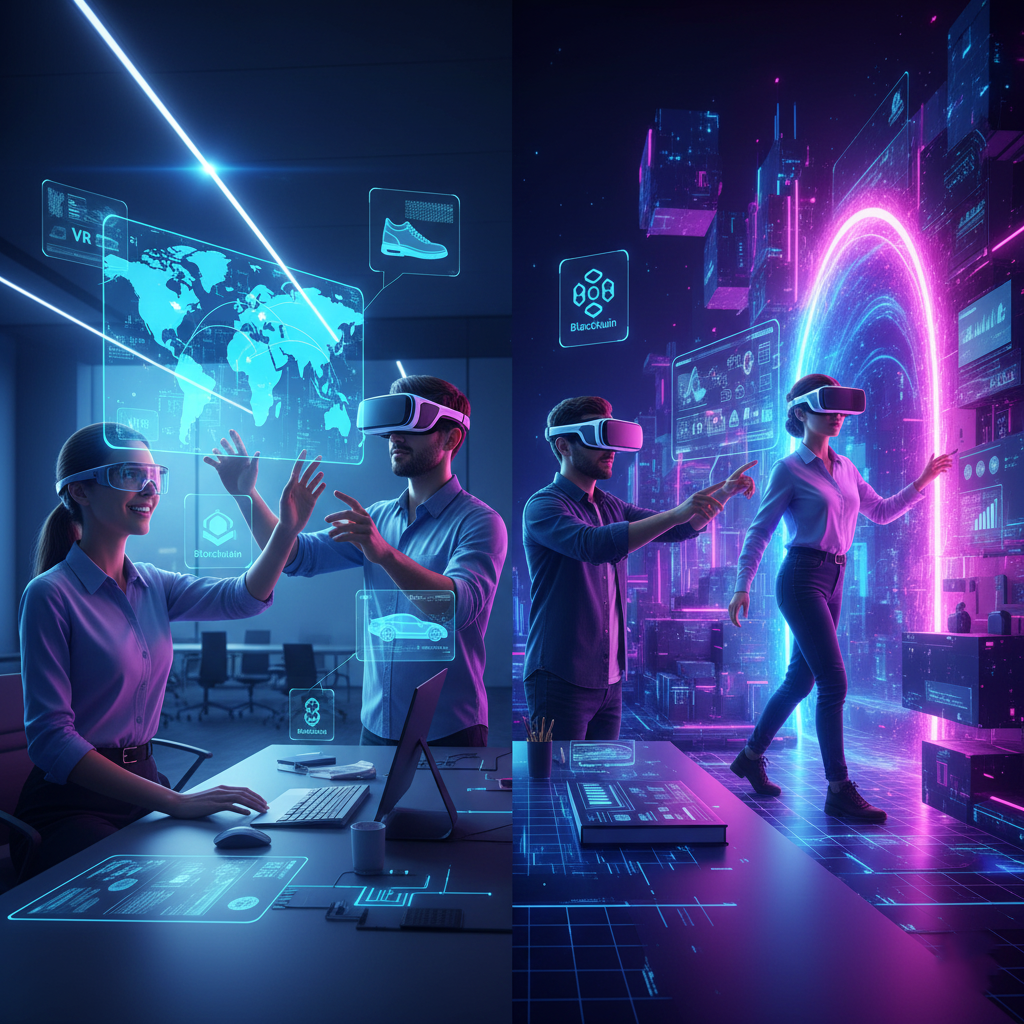
The hype has given way to practical applications.
4.1 AR Shopping as a Standard Experience
Customers can virtually test:
- Clothing
- Furniture
- Beauty products
- Vehicles
AR boosts customer confidence and improves conversion rates drastically.
4.2 Virtual Stores & Immersive Events
Brands now host:
- VR exhibitions
- Virtual try-on rooms
- Metaverse product launches
2026 is the era of phygital experiences—blending physical and digital worlds.
5. Privacy-First Marketing: Ethical, Transparent & Secure

Consumers are more privacy-conscious, and governments are stricter.
5.1 Rise of Zero-Party Data
Brands openly collect information through:
- Surveys
- Polls
- Preference centers
- Reward systems
Users willingly share data when value is provided.
5.2 Cookieless Advertising Ecosystem
With cookies gone, marketers use:
- AI-driven targeting
- Contextual ads
- First-party data
- Predictive analytics
This reduces intrusive tracking and increases user trust.
5.3 Ethical AI & Transparency
Consumers demand:
- Clear AI usage policies
- Honest communication
- No manipulative content
Brands that misuse AI lose credibility instantly.
6. Creator Economy 2026: Micro Creators Leading the Game
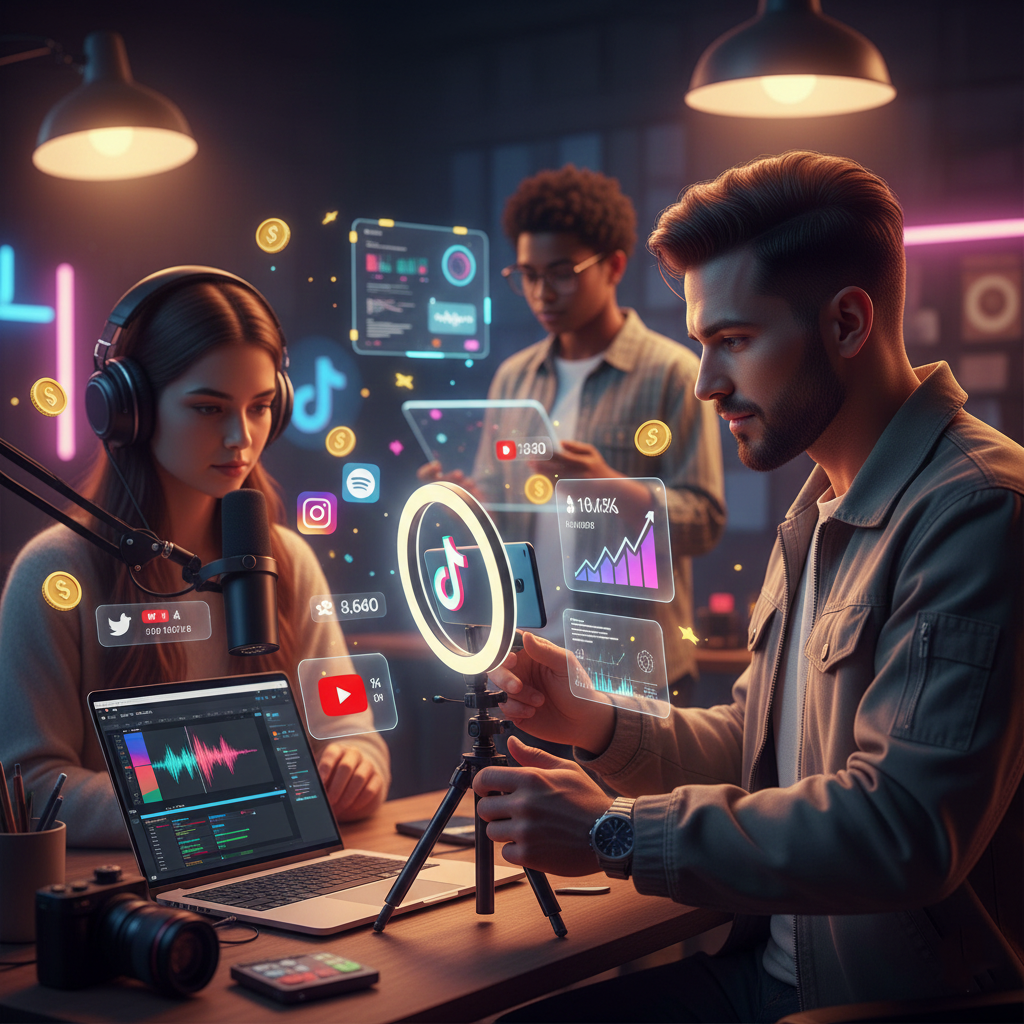
Creators have become the backbone of digital influence.
6.1 Nano & Micro Influencers Deliver Higher ROI
Brands prefer creators with:
- Niche audiences
- High trust
- Genuine engagement
Smaller influencers often outperform celebrities.
6.2 Rise of Virtual & AI Influencers
AI-generated influencers:
- Produce unlimited content
- Stay consistent with brand voice
- Offer lower cost and zero controversies
They are now common across industries.
6.3 Subscription & Community Monetization
Creators earn through:
- Membership communities
- Paid newsletters
- Courses & mentorships
- Exclusive digital assets
Creator-business partnerships are more strategic than ever.
7. Email, Automation & CRM: Ultra-Personalized Workflows

Email remains powerful—because it has evolved.
7.1 AI-Powered Email Writing
Emails adapt based on:
- User behavior
- Time preferences
- Purchase history
- Engagement score
Open rates are at an all-time high.
7.2 Behavior-Triggered Automation
Automation is now driven by:
- Emotion signals
- Voice-search interactions
- Scroll patterns
- Multi-device behavior
Marketing feels completely human.
7.3 Real-Time Dynamic Email Content
Emails auto-update with:
- Live prices
- Local offers
- Weather-based recommendations
Email is now dynamic, interactive, and intelligent.
8. Video Marketing 2.0: Interactive & Personalized
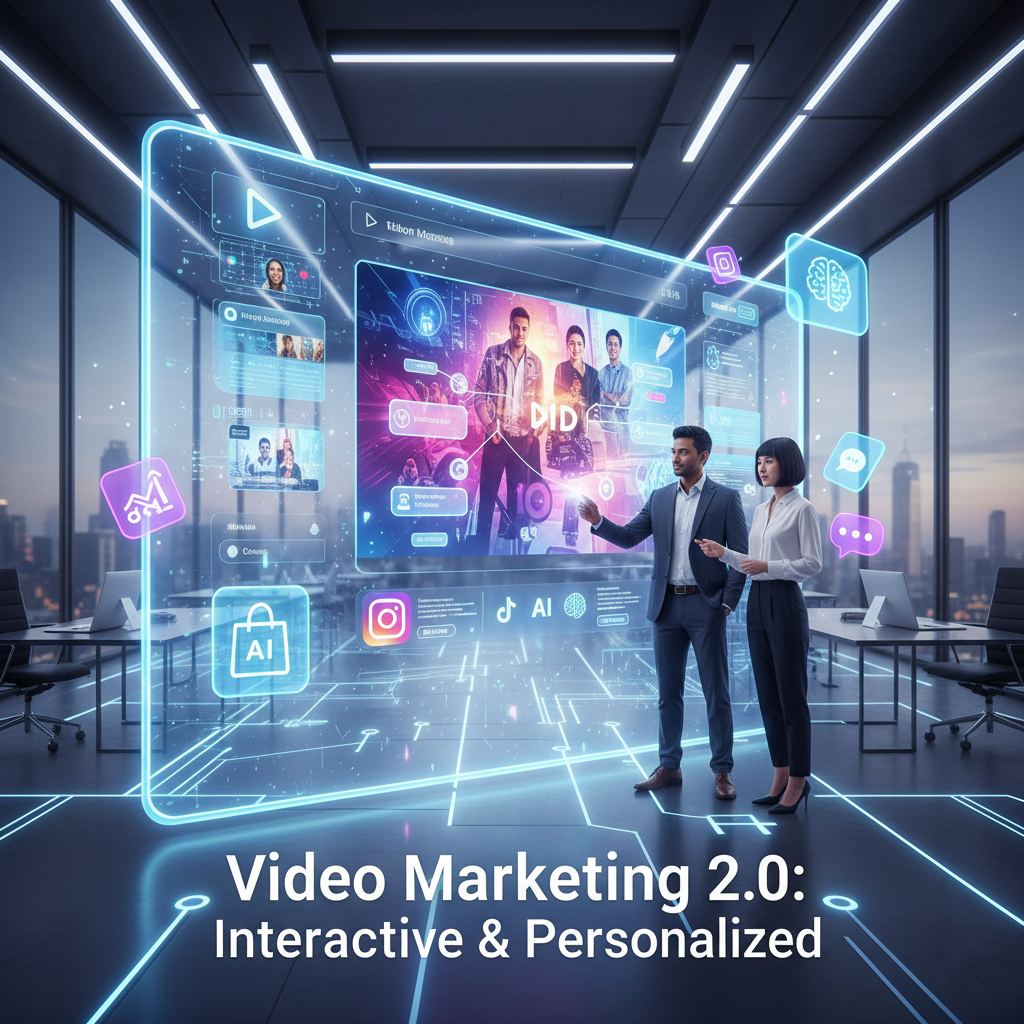
Video rules 2026—and AI has supercharged it.
8.1 AI Video Creation Takes Over
AI tools:
- Generate videos from text
- Create lifelike 3D avatars
- Clone voices
- Auto-adjust formats for platforms
Video production costs have dropped by 90%.
8.2 Personalized Video Advertisements
Every viewer can receive:
- A unique storyline
- Customized product picks
- Personalized CTAs
This boosts conversions significantly.
8.3 Interactive Videos
Users can:
- Click products
- Choose scenes
- Explore features
Video has become a two-way interactive experience.
9. Performance Marketing: Predictive, Connected & ROI-Focused
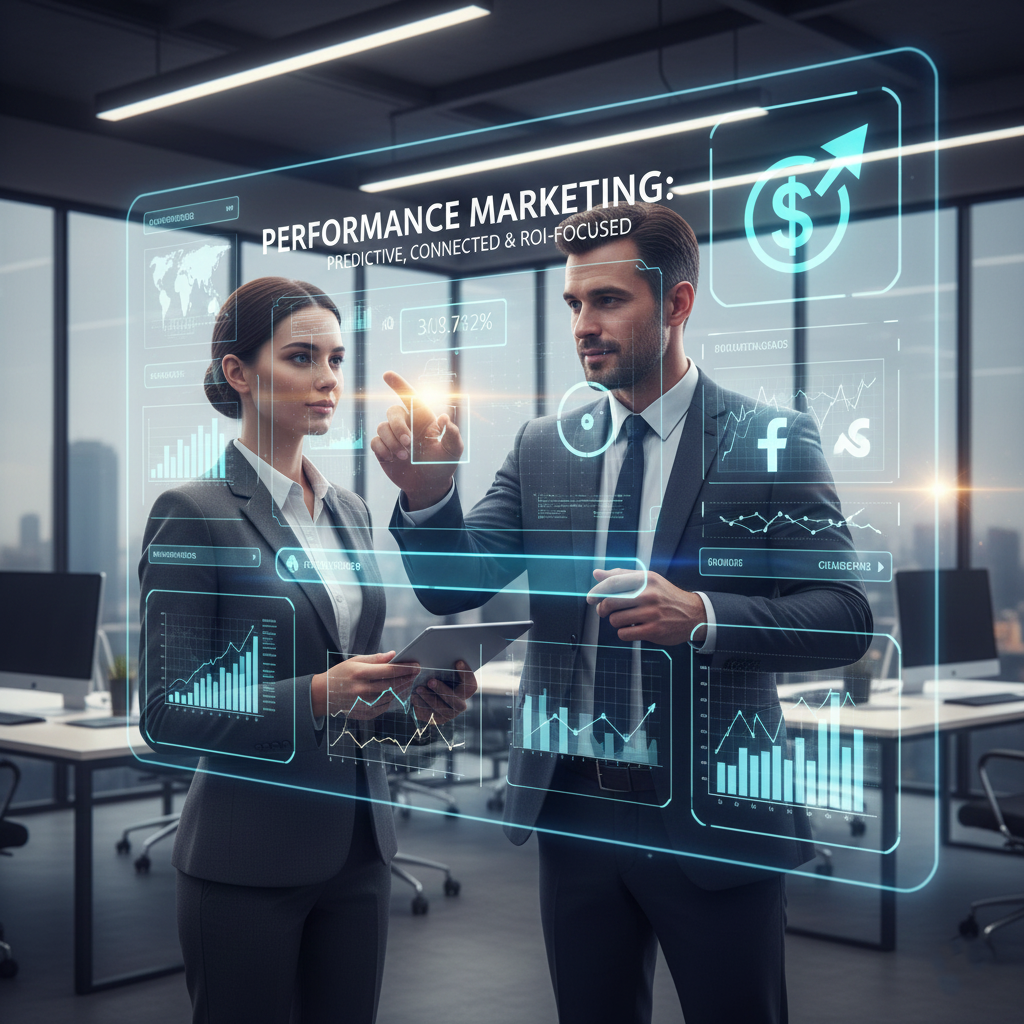
Marketers spend smarter—not more.
9.1 Predictive Budget Allocation
AI predicts:
- Best-performing time slots
- Most profitable channels
- High-intent audiences
Budgets shift automatically for higher ROI.
9.2 Outcome-Based Advertising Models
Brands pay for:
- Conversions
- Leads
- Sales
Not for impressions or clicks.
9.3 Multi-Touch Journey Attribution
AI evaluates:
- Every touchpoint
- User emotional responses
- Cross-channel behavior
Decision-making is precise and data-supported.
10. Customer Experience in 2026: Fast, Seamless & Trust-Oriented
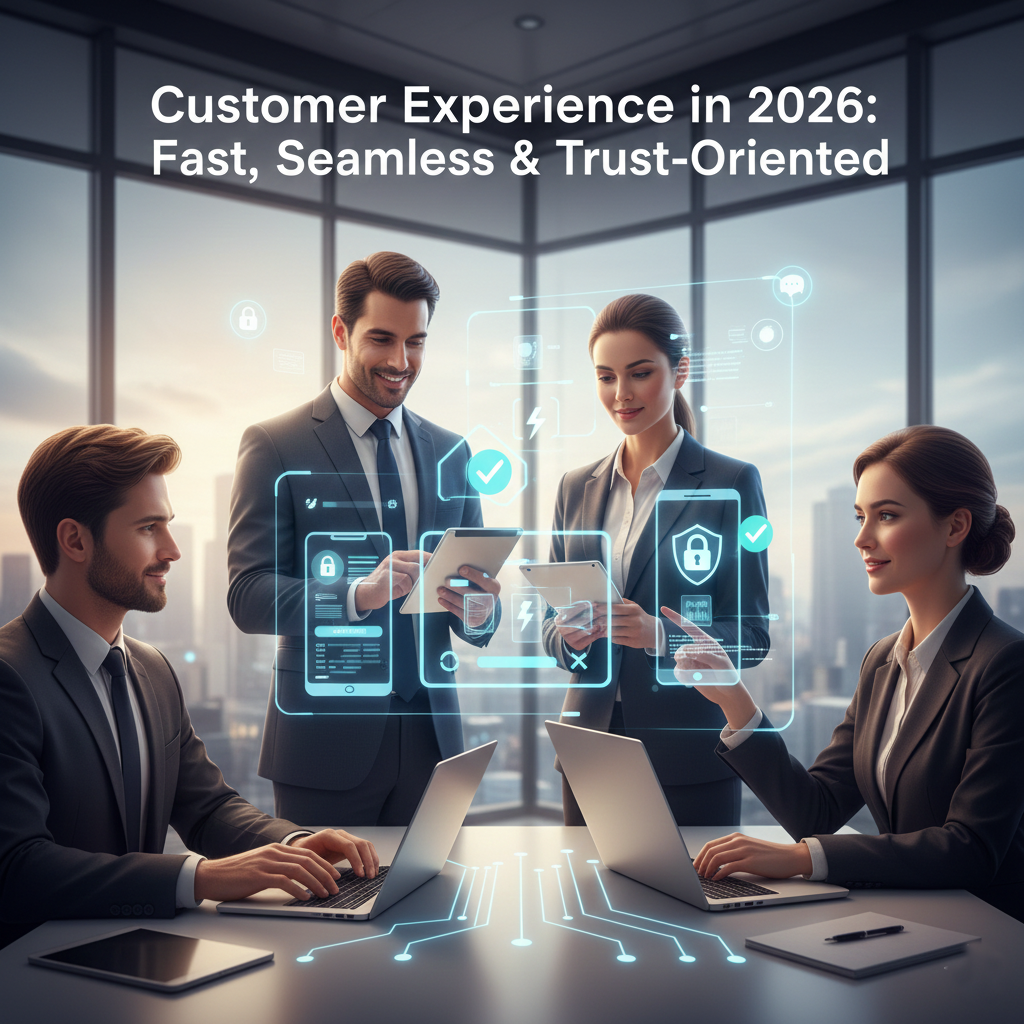
CX is the biggest brand differentiator.
10.1 Instant Everything
Customers expect:
- Instant replies
- Instant delivery
- Instant resolutions
AI chatbots and predictive service make this possible.
10.2 Omnichannel Excellence
Brands ensure smooth experiences across:
- Social media
- Voice assistants
- Websites
Consistency builds trust.
10.3 Trust as the New Currency
Customers choose brands that:
- Communicate transparently
- Use AI responsibly
- Deliver value upfront
Trust directly influences buying decisions.
Conclusion: The Future Belongs to Adaptive, AI-Powered & Human-Centric Brands
Digital marketing in 2026 is a blend of intelligent technologies and deeply human experiences. While AI, AR, automation, and predictive analytics dominate the ecosystem, the real winners will be brands that balance innovation with authenticity.
The future is not about reaching everyone—it’s about reaching the right people at the right time with the right message with Digital Marketing.
Businesses that embrace change, adopt AI, prioritize trust, and deliver personalized value will lead the next generation of digital success.
🚀 For More Info 👇

It is a very helpful blog for digital creators
You’re absolutely right 👍 This blog is too knowledgeful.